
I remember clearly the first time I saw my grandma sit in front of a slot machine. It was at a local casino in my hometown. The flashing lights, the vibrant colors, the constant ringing of bells – it was a sensory overload. At first, she was hesitant, carefully inserting a single dollar. Within minutes, she was completely absorbed, her fingers dancing across the buttons. I didn’t understand the attraction then, but now it’s obvious: slot games aren’t just about luck. There’s a complex interplay of psychology and intentionally manipulative design at play.
Many people don’t realize the extent to which these games are engineered to be addictive. We’re going to pull back the curtain and explore the inner workings of slot machine design, revealing the psychological principles these games exploit. From variable rewards to the illusion of control, we will dissect the techniques used to keep players engaged, often to a detrimental degree. The goal is to empower you with knowledge, helping you understand the deeper mechanisms behind the allure of slot games and make more informed decisions.
The Psychology of the Spin: Unveiling the Core Drivers
Slot machines possess a unique power to captivate, and understanding why requires delving into the core psychological principles at play. The engine driving this engagement is largely fueled by variable rewards, also known as intermittent reinforcement. Essentially, wins don’t happen predictably, but rather at random intervals. This unpredictability keeps players hooked, as the brain’s dopamine system goes into overdrive, anticipating the next potential payout. Think of it like this: every time you pull the lever or tap the screen, your brain anticipates a reward. When that reward comes inconsistently, it actually strengthens the learned behavior, making you want to play more.
This phenomenon has parallels in other areas of life. For example, social media notifications operate on a similar principle. The anticipation of a like, comment, or message triggers a dopamine release, creating a craving to constantly check your phone. The creators are taking cues from the gambling world to keep users engaged and invested. This type of learning is called operant conditioning, where behaviors are learned and strengthened based on their consequences. In the case of slots, the unpredictable nature of the wins serves as a powerful reinforcer, driving continued play and, for some, leading to addiction.
Near Misses: The Illusion of Almost Winning
Slot machines are designed to exploit psychological vulnerabilities, and one particularly potent technique is the “near miss effect.” Even though the outcome is technically a loss, the almost-winning scenario triggers a similar response in the brain as an actual win. It’s a subtle form of partial reinforcement, where the feeling of being close reinforces the desire to keep trying. The brain interprets these near misses as progress, fueling the illusion that a big win is just around the corner. This is a cognitive bias and research has shown that near misses activate the same reward centers in the brain as actual wins, solidifying the urge to continue spinning.
Losses Disguised as Wins (LDWs): A Trick of the Mind
Adding to the manipulative nature of slot machines are what are called “Losses Disguised as Wins (LDWs).” These occur when a player wins an amount less than their original bet. The flashing lights, celebratory sounds, and overall sensory feedback associated with a win are still present and create a false impression of success, even though the player is losing money overall. This exploits cognitive dissonance by creating a disconnect between the visual and auditory cues of winning, and then the reality of the financial loss. By framing losses as wins, slot machines cleverly neutralize any negative feelings associated with losing, keeping players engaged for longer.

Designed to Captivate: Game Mechanics That Hook
The previously discussed psychological triggers directly influence the design of today’s highly engaging slot games. Let’s explore some core mechanics and how they tap into human behavior, creating compelling – and sometimes irresistible – user experiences. The allure isn’t accidental; it’s a meticulously crafted symphony of sights, sounds, and anticipatory thrills.
Cascading and Chain Wins: Keeping the Excitement Alive
Cascading wins, also known as chain reaction wins, have become a staple in modern slot design. This mechanic involves symbols from a winning combination disappearing, allowing new symbols to fall into their place. Each cascade presents another opportunity to win, turning a single spin into a potentially long and rewarding sequence. The visual spectacle of this process, combined with the rising win multiplier, creates a feeling of building momentum and rising adrenaline. It’s like a pinball machine where every bounce can trigger another exciting event.
Unlockable Content and Bonus Ladders: The Drive for Completion
Game developers often incorporate elements of gamification, such as bonus ladders and unlockable content, to encourage continued play. These features exploit our innate drive for completion and achievement. Slot games with bonus levels, for example, constantly dangle the carrot of progression, prompting players to keep spinning in pursuit of the next milestone. The anticipation of unlocking new content is a potent motivator, effectively turning the slot game into a mini-quest—a structured goal to keep players invested with a need to be the first to complete it.
Sticky and Expanding Wilds: Building Anticipation and Hope
Sticky and expanding wilds are designed to maximize anticipation and perceived opportunities. Sticky wilds remain in place for multiple spins, increasing the odds of forming winning combinations. Expanding wilds, on the other hand, grow to cover entire reels. Both mechanics are a visual cue for what may be coming, focusing a player’s attention and heightening the excitement. The extended chance for a major win keeps players engaged, creating a surge of emotions as they await the outcome. This feature is designed for you to invest more and keep playing.
The Sensory Experience: Sound, Sight, and Immersion
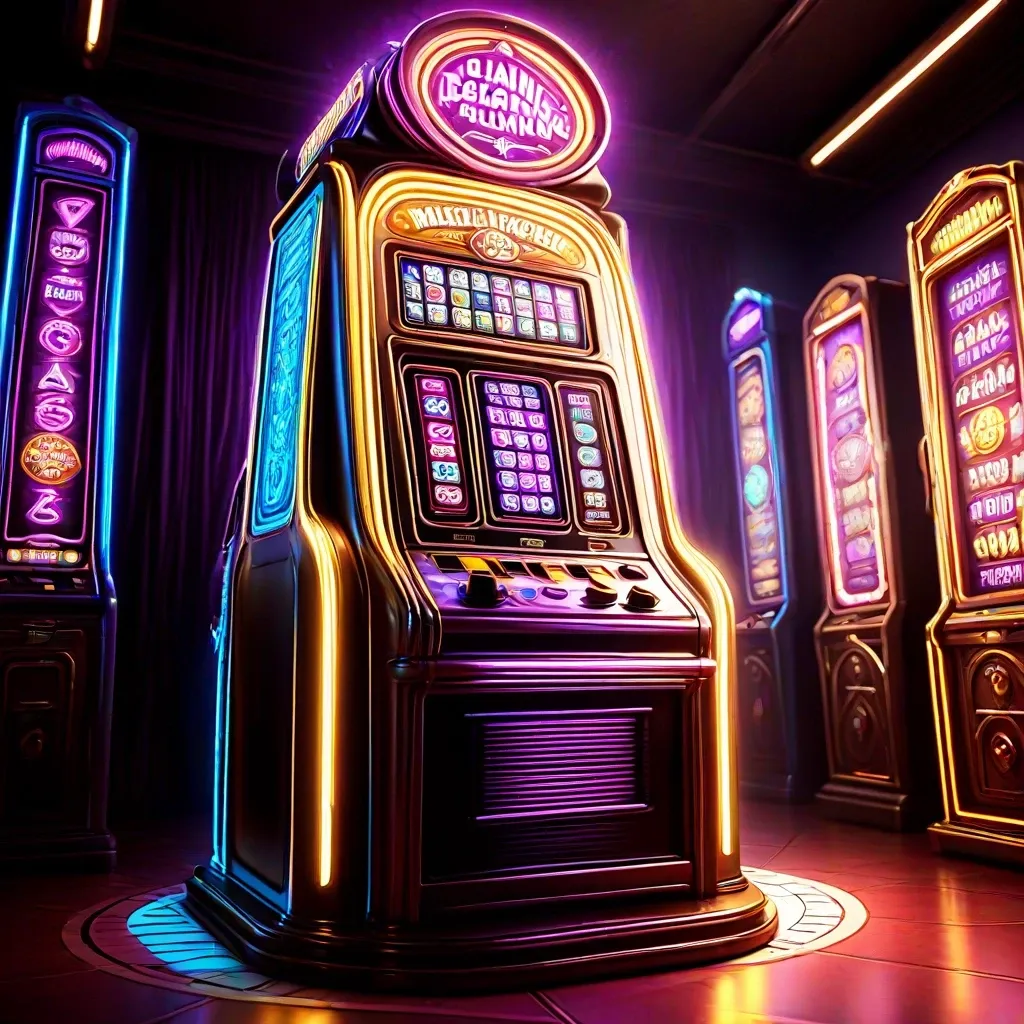
Slot machine design understands that gambling is more than just pushing buttons; it’s a full-body experience meticulously crafted to stimulate the senses and trigger the brain’s reward system. Visuals dance across the screen in a kaleidoscope of colors and animations, each spin a potential explosion of excitement. Sound effects, from the gentle whirring of the reels to the triumphant jingle of a minor payout, are carefully orchestrated to build anticipation and reinforce the feeling of reward, even for small wins. This constant sensory feedback creates an immersive environment that keeps players engaged.
Audio cues play a significant role in generating dopamine, the neurotransmitter associated with pleasure and reward. The “cha-ching” of coins (even if virtual) and carefully composed musical interludes are designed to be instantly gratifying, further enhancing the addictive nature of slot machines.
The Illusion of Control: How Sound and Sight Deceive You
Casinos masterfully employ visual and auditory deception to create an ‘illusion of control,’ subtly manipulating the gambler’s perception. Near misses are often punctuated by celebratory sounds and flashing lights, tricking the player into believing they were close to winning, thus encouraging them to continue playing. These illusory near wins exploit cognitive biases, making players more likely to chase losses, driven by the sights and sounds that falsely indicate imminent success. The carefully crafted soundscape of a casino, combined with dazzling visuals, works in concert to distort reality and encourage continued play, even when logic dictates otherwise.
Ethical Considerations: The Responsibility of Game Developers
The integration of persuasive design elements into slot games raises significant ethical questions, demanding careful consideration from game developers. While these techniques can enhance player engagement and enjoyment, their potential impact, especially on vulnerable populations, cannot be ignored. The core of the issue lies in balancing the creation of entertaining games with the responsibility to protect players from potential harm.
Responsible gaming practices are paramount. Developers have a ethical obligation to design games that do not exploit inherent human biases or vulnerabilities. This includes avoiding excessively manipulative tactics that could lead to compulsive behavior or financial distress. Features like prominent “play again” buttons, encouraging near-miss displays, and personalized notifications designed to lure players back into the game should be critically examined for their potential to be harmful.
The discussion extends to the regulation and self-regulation within the gaming industry. Are current measures sufficient to protect vulnerable individuals? Should there be stricter guidelines on the use of persuasive design, and how can these guidelines be effectively enforced? It’s a complex landscape requiring ongoing dialogue between developers, regulators, and the gaming community to ensure a fair and ethical gaming environment.
Recognizing Problematic Play: Signs and Strategies
Slot games, while entertaining, can become problematic if not approached responsibly. Recognizing the signs of trouble early is crucial for maintaining control and preventing potential harm.
One of the primary indicators of problem gambling is chasing losses. This involves attempting to recover lost money by gambling more, often leading to a cycle of increasing debt and desperation. Another warning sign is consistently spending more than intended. If the player find themselves exceeding pre-set budgets or time limits, it’s a clear indication that the game is controlling their actions rather than the other way around.
Neglecting other responsibilities is another critical red flag. If the player is skipping work, ignoring family obligations, or falling behind on bills due to slot game play, the behavior has become problematic. Furthermore, feelings of guilt, anxiety, or irritability related to gambling can signal a deeper issue.
To maintain self-control, several strategies can be implemented. Setting time and spending limits before starting a session is essential. Once those limits are reached, the player should stop playing, regardless of whether they are winning or losing. Taking frequent breaks can help to clear the head and avoid impulsive decisions. Engaging in other activities, such as hobbies or social events, can provide a healthy distraction. Finally, if the player is struggling to control their slot game play, seeking support from friends, family, or professional counselors is a sign of strength, not weakness. Through risk assessment, they can implement these measures to stay in control.
Conclusion
Slot games, with their flashing lights and promise of instant riches, possess an undeniably addictive quality. Understanding the psychological principles at play – the near misses, the variable rewards, and the illusion of control – is crucial for anyone who chooses to engage with these games.
This article has explored the various techniques employed in slot game design that contribute to their addictive nature. From the strategic use of sound and visual stimuli to the implementation of complex algorithms that keep players hooked, the industry is constantly evolving to maximize engagement. Recognizing these tactics allows individuals to approach slot games with a more critical and informed perspective.
Ultimately, the key to enjoying slot games without succumbing to their addictive potential lies in responsible gaming. This means setting limits on time and money spent, understanding the odds, and recognizing the signs of problem gambling. By making informed choices and prioritizing well-being, individuals can experience the entertainment value of slot games without risking their financial and emotional health. The power to play responsibly rests with each individual, and informed awareness is the strongest tool in preventing addiction.